Kick Start Your New Year with pro coach ldN
- Henry Tootal
- Jan 5
- 4 min read
Starting a new year often means setting fresh goals for health and fitness. Boxing training offers a dynamic and engaging way to build strength, improve endurance, and boost confidence. Whether you are a beginner or returning to the sport, boxing can transform your fitness routine and help you stay motivated throughout the year. This post explores boxing training techniques to help you kick start your new year with energy and focus.
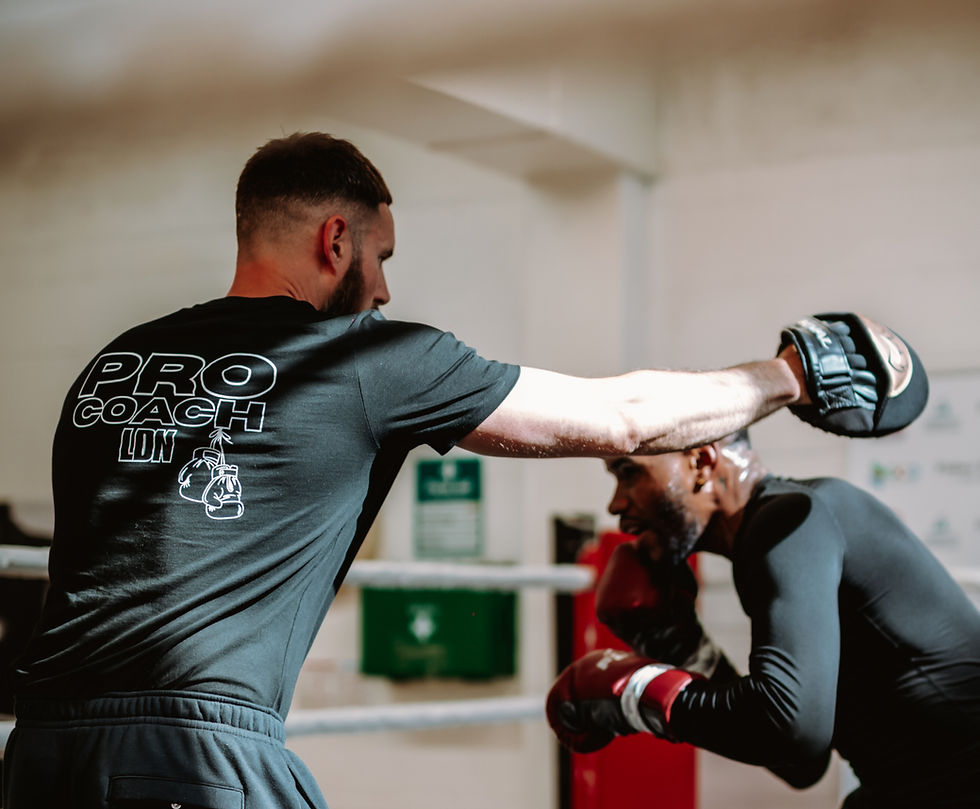
Why Choose Boxing Training for Your New Year Fitness Goals
Boxing is more than just a combat sport. It combines cardio, strength, coordination, and mental discipline in a single workout. Here are some reasons boxing training stands out:
Full-body workout: Boxing engages your arms, legs, core, and back muscles.
Cardiovascular benefits: High-intensity rounds improve heart health and stamina.
Stress relief: Punching and movement release tension and improve mood.
Improved coordination: Footwork and hand-eye coordination sharpen reflexes.
Self-confidence: Learning new skills builds mental toughness and self-esteem.
These benefits make boxing a powerful choice for anyone looking to improve fitness and well-being in the new year.
Getting Started with Basic Boxing Techniques
Before jumping into intense workouts, mastering basic boxing techniques is essential. Proper form reduces bad habits & injury risk and maximizes training effectiveness.
Stance and Footwork
Your stance provides balance and mobility. Follow these steps:
Stand with feet shoulder-width apart.
Keep an imaginary line between the toe of your front foot and heel of the back foot.
Position your dominant foot slightly back and raise the heel.
Keep knees soft and weight evenly distributed.
Maintain hands up, chin down to protect your face.
Practice moving forward, backward, and side to side while maintaining your stance. Good footwork allows quick responses and powerful punches.
Basic Punches
Learn these fundamental punches:
Jab: A quick, straight punch with your lead hand. Used to gauge distance and set up combinations.
Cross: A powerful straight punch from your rear hand. It delivers more force than the jab.
Hook: A punch thrown in a semicircle with your lead or rear hand. Effective at close range.
Uppercut: An upward punch targeting the opponent’s chin. Useful in close range.
Practice each punch slowly at first, focusing on technique, then increase speed and power.
Structuring Your Boxing Training Sessions
A well-organized training session balances skill development, conditioning, and recovery. Here’s a sample structure for a beginner or intermediate session:
Warm-up (10 minutes)
Skipping rope or light jogging ( treamill ideally )
Dynamic stretches focusing on shoulders, back, hips, and legs
Tech Work (30 minutes)
Shadowboxing to practise punches and footwork drills.
Heavy bag work - focusing on combinations and power.
Interval the rounds such as 3 rounds of 3 minutes punching with 1-minute rest.
Conditioning (15 minutes)
Cool down (10 minutes)
Static stretching to improve flexibility and reduce soreness
Consistency is key. Aim for 3 to 4 sessions per week to see steady progress.
Using Equipment to Enhance Your Training
Boxing training benefits from various equipment that helps improve technique and fitness.
Heavy bag: Builds punching power and endurance.
Speed bag: Develops hand speed and rhythm.
Double-end bag: Improves accuracy and timing.
Focus mitts: Used with a partner or coach to practice combinations and defense.
Jump rope: Boosts cardiovascular fitness and footwork agility.
Investing in basic equipment or joining a gym with these tools can accelerate your progress.
Tips to Stay Motivated and Avoid Common Pitfalls
Starting boxing training can be challenging. Here are ways to stay on track:
Set clear goals: Define what you want to achieve, such as improving stamina or mastering a punch.
Track your progress: Keep a training journal or use apps to monitor workouts.
Mix up routines: Alternate between skill drills, conditioning, and sparring to prevent boredom.
Listen to your body: Rest when needed to avoid injury.
Find a training partner or coach: Support and feedback boost motivation and technique.
Avoid rushing into sparring too soon. Focus on fundamentals to build a strong foundation.
Boxing Training for Mental Strength and Discipline
Boxing requires focus, patience, and resilience. Training regularly helps develop mental toughness that carries over into daily life. Techniques like controlled breathing and visualization improve concentration during workouts and stressful situations. The discipline of sticking to a training schedule builds habits that support long-term health and success.
Incorporating Nutrition and Recovery
Effective boxing training depends on proper nutrition and recovery. Fuel your body with balanced meals rich in protein, complex carbs, and healthy fats. Hydrate well before, during, and after workouts. Prioritize sleep and include rest days to allow muscles to repair and grow.
Advanced Techniques to Explore as You Progress
Once comfortable with basics, you can add complexity to your training:
Combination punching: Linking multiple punches fluidly.
Defensive moves: Slipping, bobbing and weaving, rolling to avoid punches.
Tech Sparring: Controlled practice with a partner to apply skills in real-time.
Strength training: Weightlifting to increase power and endurance.


Comments